Ibiza Population by Nationality: Who Lives on the Island Today
There’s a version of Ibiza that exists only in the imagination — a sun-drenched hedonist’s playground, crowded with tourists and empty come October. The reality is far more layered. Beneath the festival posters and yacht traffic, Ibiza is a functioning island community of over 160,000 permanent residents, drawn from dozens of countries, speaking dozens of languages, and making their lives here year-round.
The Numbers at a Glance
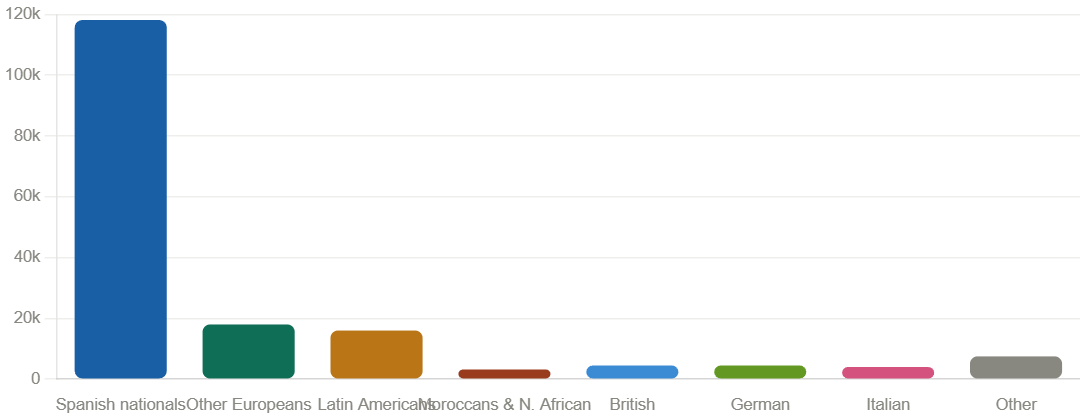
As of the most recent data from Spain’s National Statistics Institute (INE), Ibiza has 163,657 inhabitants — a 1.2% increase from the previous year. Of those, 118,157 are Spanish nationals and 45,500 are foreign citizens.
According to INE’s Padrón statistics, the number of foreign-born residents registered on the island is 16,357, with 8,694 born in the Americas, 1,988 from Africa, 887 from Asia, and 25 from Oceania. IbizaPreservation
That 28% foreign resident share is notably higher than Spain’s national average, reflecting Ibiza’s particular pull on international workers, retirees, remote workers, and lifestyle migrants.
The Spanish Core
Despite its cosmopolitan reputation, Ibiza’s population is majority Spanish — and specifically Catalan-speaking. The local dialect, Eivissenc, is a variant of Valencian Catalan and remains in daily use among older islanders and in rural areas. Most Spanish residents have roots across the peninsula, drawn over decades by tourism-sector employment and, more recently, by the island’s real estate economy.
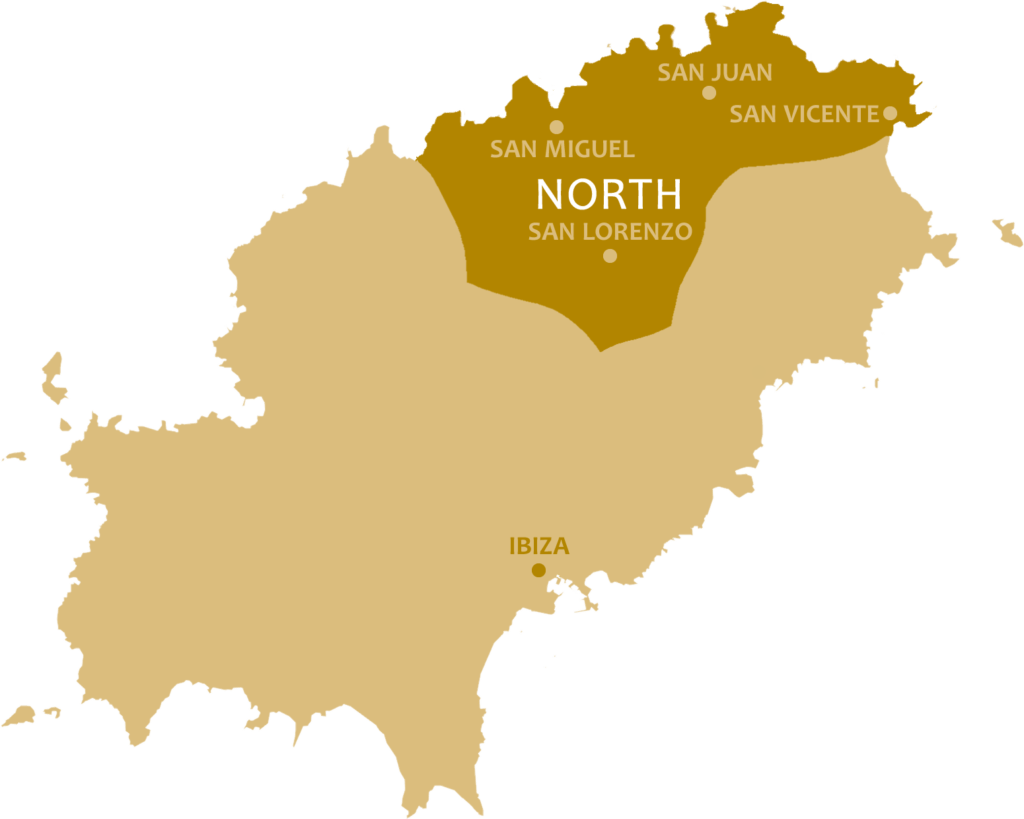
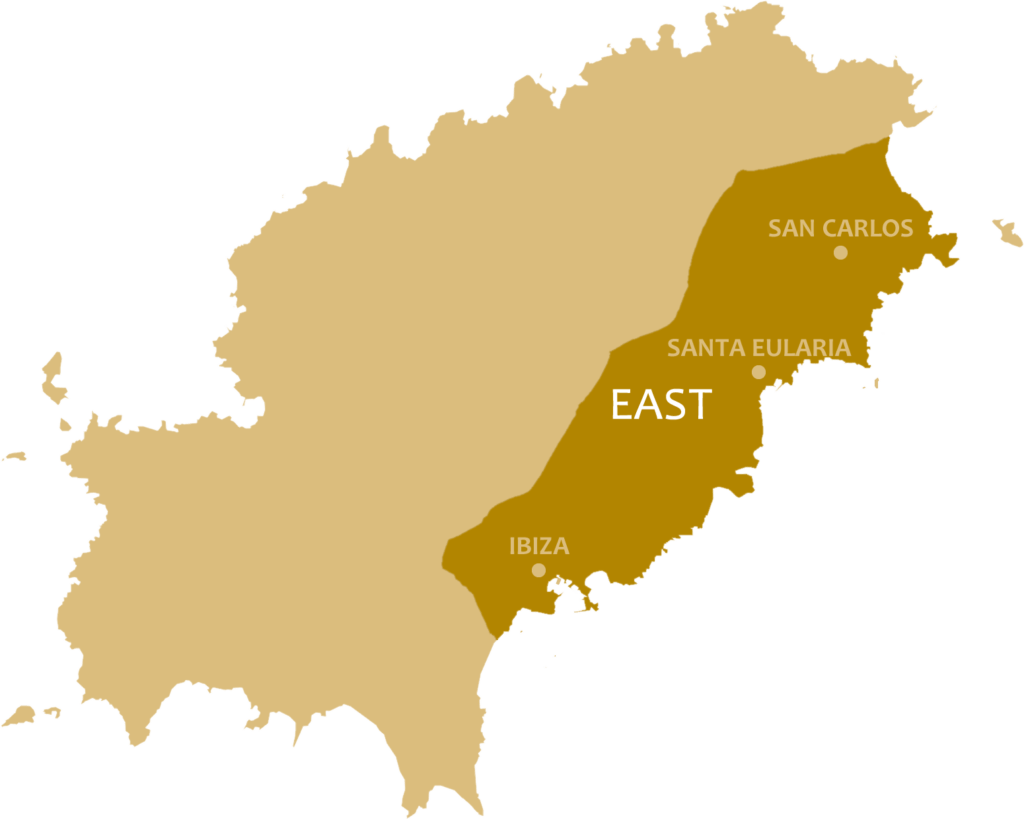
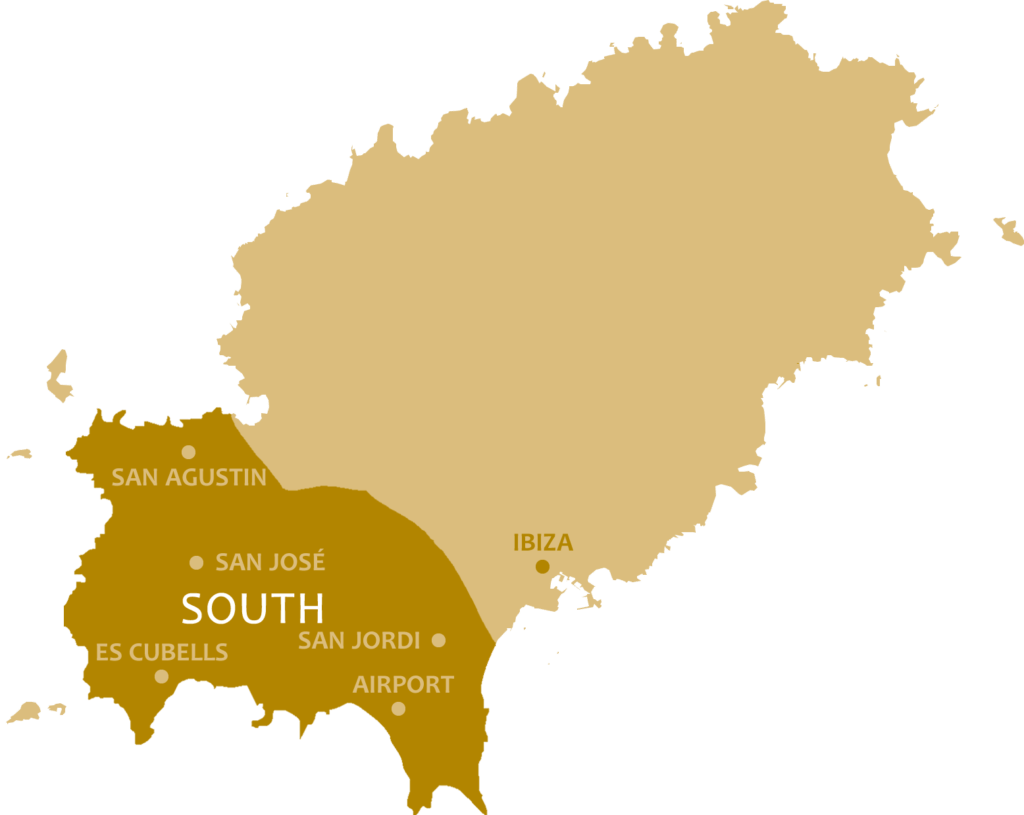
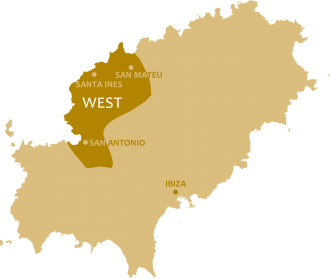
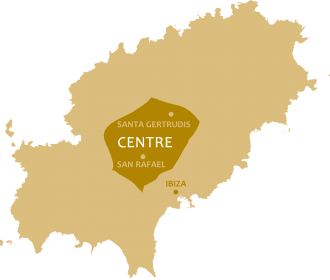
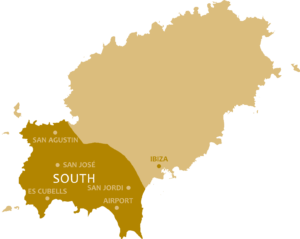
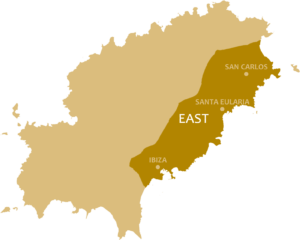
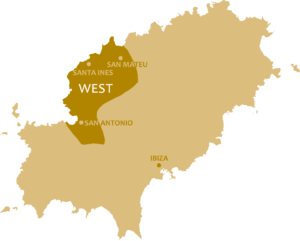
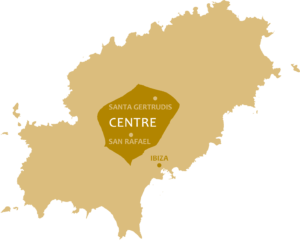
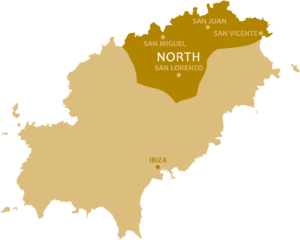
The five municipalities — Ibiza city (Eivissa), Sant Antoni de Portmany, Santa Eulària des Riu, Sant Josep de sa Talaia, and Sant Joan de Labritja — each have distinct demographic flavours. The capital, with its historic dalt vila, is the most densely international. The rural north, Sant Joan, skews older and more rooted.
The European Expat Layer
Europeans make up around 60% of Ibiza’s total foreign resident population. Germans and British historically dominate this group, with Germans and British residents concentrated particularly in the wealthier municipalities of Santa Eulàlia, San José, and San Juan, where they make up more than 80% of the foreign population.
Germans arrived in large numbers during the 1970s and 1980s, partly drawn by Ibiza’s countercultural hippie scene and partly by early package tourism from Frankfurt and Munich. Many stayed, bought land, and built lives. Since 2009, however, the number of German permanent residents has roughly halved, while the Italian resident population has doubled over the same period.
The British community, long one of the most visible on the island, has faced a different kind of pressure. Brexit, combined with a steep rise in the cost of living over the past decade, has contributed to a visible decline in British and French permanent residents. Many who worked seasonally in bars, restaurants, or water sports found the economics no longer added up, and moved on.
Italians now represent one of the most dynamic incoming communities. Italy’s proximity, the frequency of direct flights from Milan, Rome, and Bologna, and a shared Mediterranean sensibility have made Ibiza a popular destination for Italian entrepreneurs, creatives, and remote workers. French residents, meanwhile, cluster particularly around the north of the island.
Latin Americans: The Backbone of the Service Economy
One of the more significant demographic shifts of the past two decades has been the growth of the Latin American community. Ecuadorians, Argentinians, Colombians, and Venezuelans have come in search of work, with many finding permanent employment in hospitality, construction, and domestic services.
Earlier census data showed Ecuadorians as the second-largest nationality in Ibiza city after Spaniards, with Moroccans, Argentinians, and Italians following behind. This community has deepened its roots considerably since then, with second-generation Latin American islanders now attending local schools and entering the workforce.
The demographic profile of Ibiza skews notably young, with the majority of residents in the 30–50 age range, followed closely by the 20–30 bracket — a reflection of the island’s reliance on the tourism industry and its ability to attract young people seeking employment or an alternative lifestyle.
The North African Presence
Moroccan residents form the largest non-European, non-Latin American group, concentrated mainly in Ibiza city and Sant Antoni. Many work in agriculture, construction, and behind-the-scenes hospitality roles. The community is predominantly male and skews younger, reflecting typical migration patterns. There is a smaller Senegalese presence, particularly among street vendors during the summer season, though this group is largely transient rather than permanently registered.
The New Wave: Remote Workers and High-Net-Worth Residents
The Covid-19 pandemic accelerated a trend that was already quietly underway. An increasing number of people are choosing to relocate to Ibiza because, with a reliable internet connection, they can manage their teams and business operations from abroad. This has brought a new tier of resident to the island: digital nomads, freelancers, and high-income professionals from the UK, the Netherlands, Scandinavia, and increasingly the United States.
This group rarely appears prominently in official census data, partly because many maintain legal residency in their home countries while spending eight or nine months of the year on the island. Their economic footprint, however, is significant — they drive demand for luxury rentals, premium services, and the island’s growing co-working and private school infrastructure.
The Seasonal Bulge
Any discussion of who lives on Ibiza must grapple with the island’s extraordinary seasonal population swing. During the summer months, the island’s population can double or even triple due to the influx of tourists. This creates a parallel, temporary community of seasonal workers — bartenders from Eastern Europe, DJs and promoters from across the world, yacht crew, and hotel staff — who are present for three to five months and then disappear.
It is estimated that approximately 3.1 million people visit Ibiza every year — roughly 2,000 tourists for every 100 full-time residents. That ratio places extraordinary pressure on infrastructure, water supply, and housing, issues that have become central to local politics.
What the Numbers Don’t Show
Official population statistics in Ibiza, as in much of Spain, capture only those formally registered in the municipal padrón. Many long-term residents — particularly those from non-EU countries or those working informally — are undercounted. Conversely, some EU citizens who have been on the island for years never formally register, preferring to remain counted in their home countries.
The result is an island whose real population is almost certainly larger and more diverse than the official figure of 163,000 suggests. It is also a population in flux. The forces shaping who moves to Ibiza — the cost of housing, the availability of year-round work, climate, digital connectivity, visa rules — are changing faster than census cycles can capture.
A Portrait of Coexistence
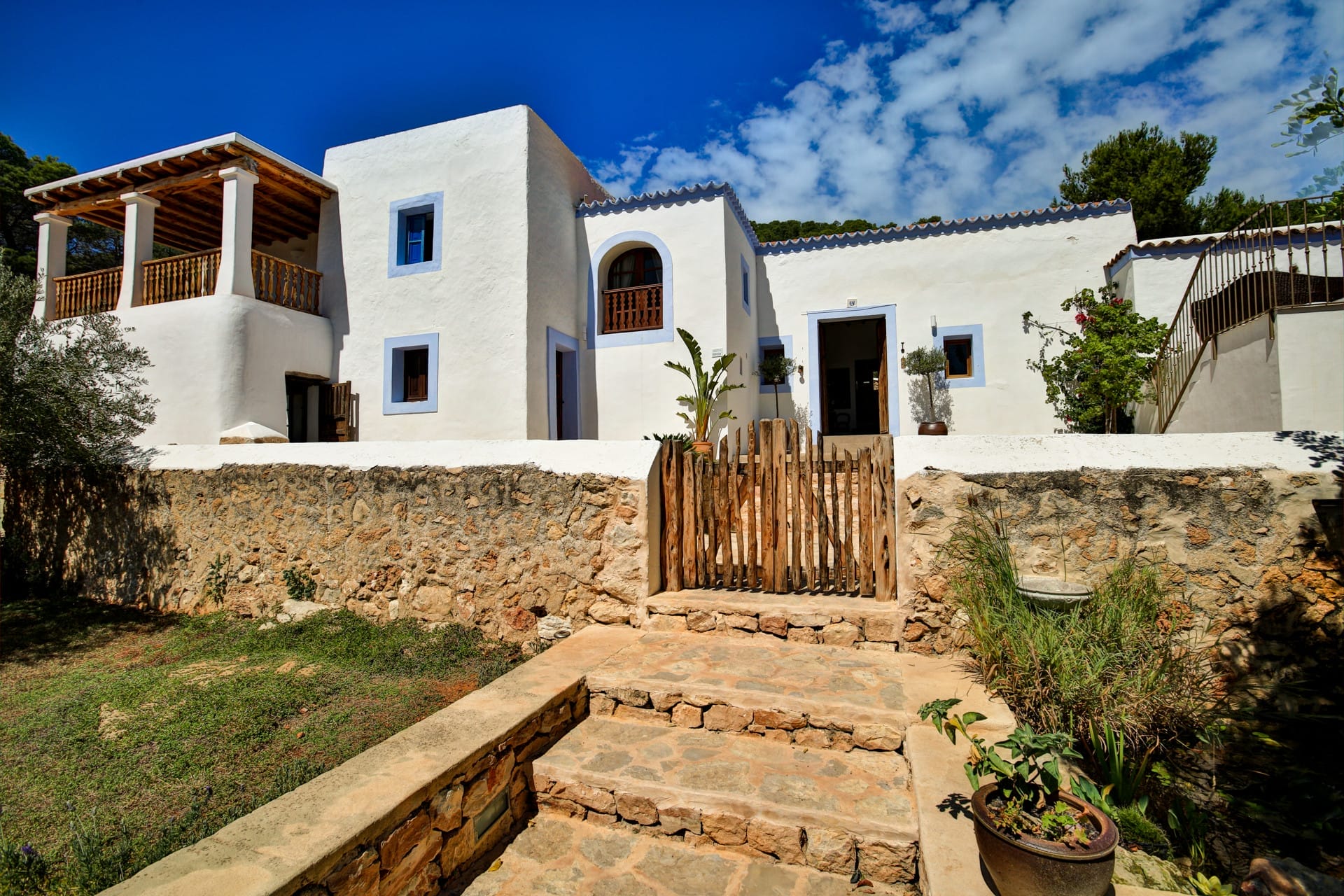
What makes Ibiza’s demographic story unusual is not just the diversity of nationalities but the particular way they layer on top of each other. The old Eivissenc-speaking farming families. The German and British settlers of the 1970s and their children. The Latin American workers who became community anchors. The Italian newcomers. The invisible army of seasonal staff. The wealthy remote workers in their hilltop fincas.
These communities mostly coexist in parallel rather than in deep integration. The language of business is Spanish; the language of the club is English; the language of the kitchen is often something else entirely. There are friendships across these lines, and there are islands within the island.
What ties them together, in the end, is the place itself — its light, its pace, its particular insistence on being somewhere other than ordinary.