How much does it really cost to live in Ibiza? (2026)
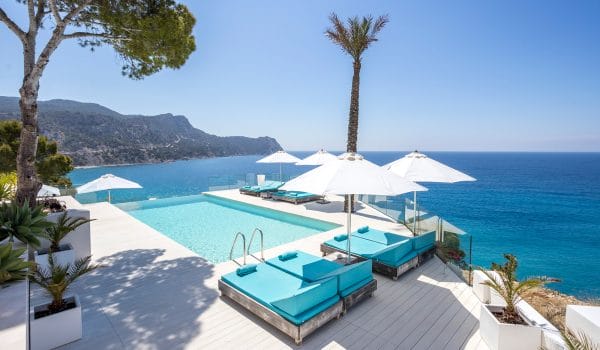
Ibiza makes you dream. Legendary sunsets, crystalline coves, a magnetic energy that draws people from every corner of the world. But when the dream becomes a concrete project, the question everyone asks arises: how much does it really cost to live here?
The honest answer is: more than you think, less than you fear — if you know how the island works.
The most common misunderstanding
Those who approach Ibiza with the idea of moving often make an error in judgement: they compare prices on the island with those of a large European city.
The comparison doesn’t work because Ibiza is not a city. It is an island with a deeply seasonal economy, where infrastructure, commerce, and even social life reorganise themselves twice a year — once to absorb the summer wave, and once to recover from it.
Everything you consume here has arrived by sea or air. This has a cost, and that cost is reflected in every receipt, every bill, every expense you make.
That said, the quality of life you get in return — the light, the landscape, the pace — is genuinely hard to find elsewhere.
The house: the item that changes everything
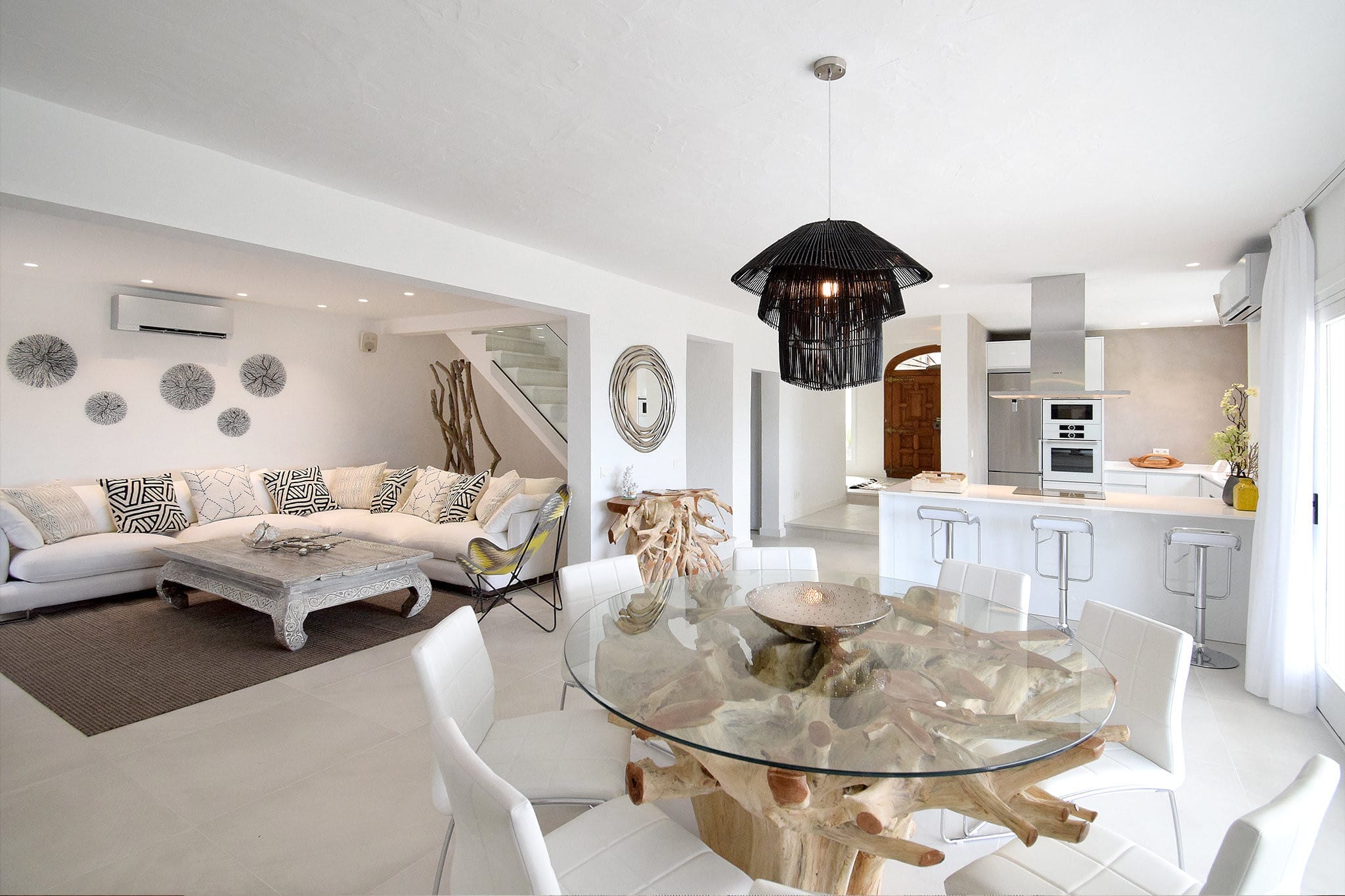
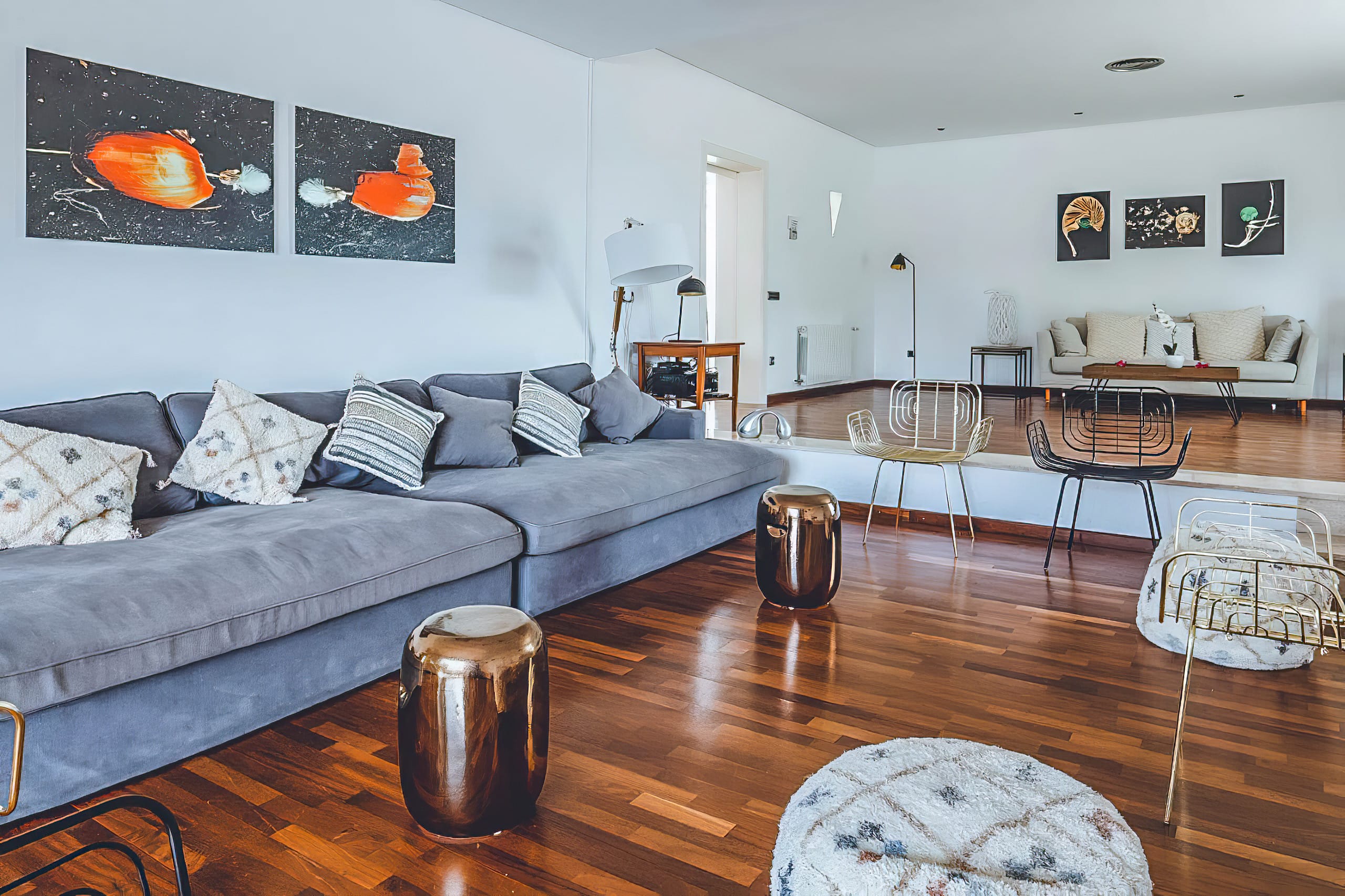
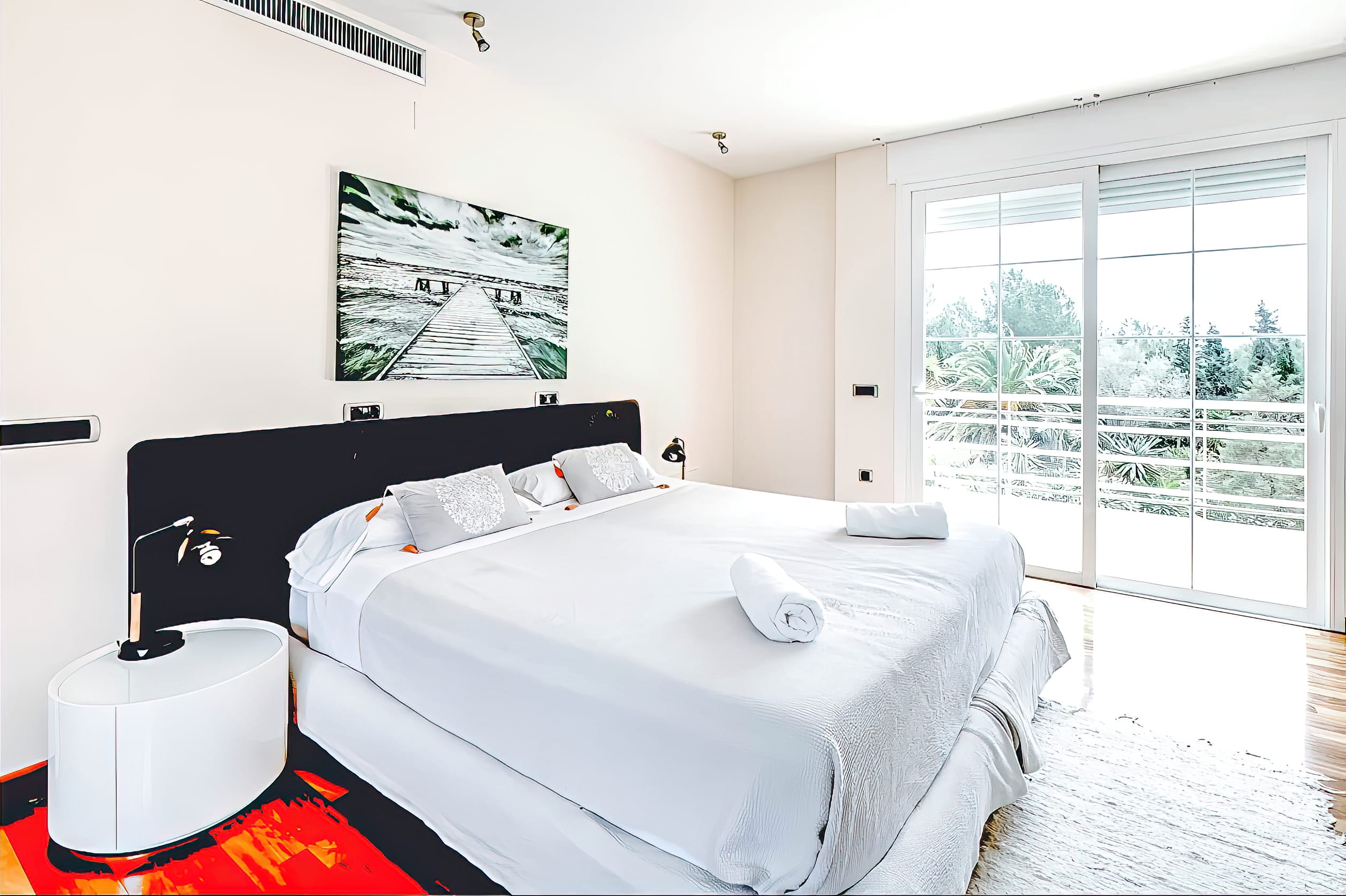
The cost of housing is the variable that more than any other determines your monthly budget in Ibiza.
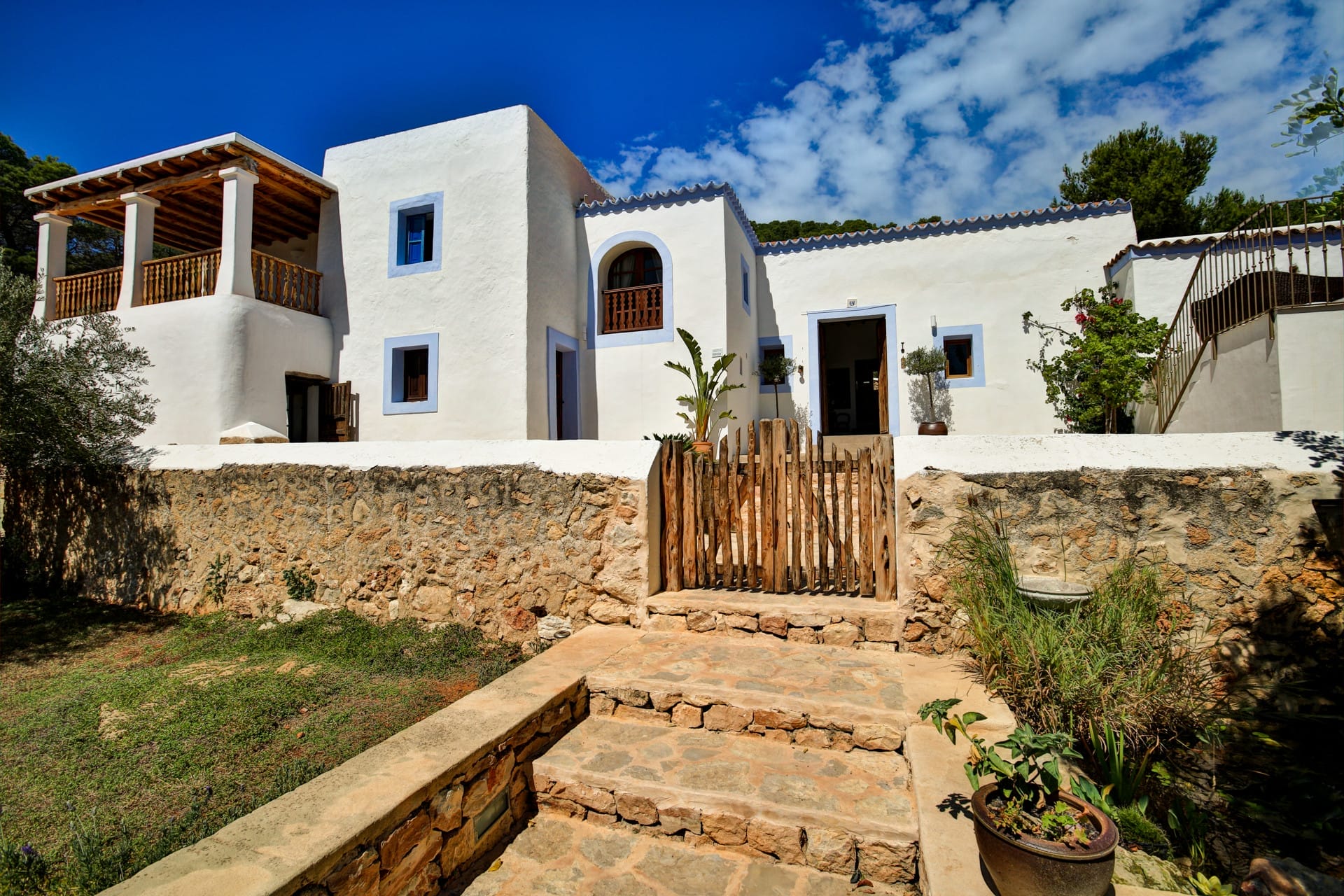
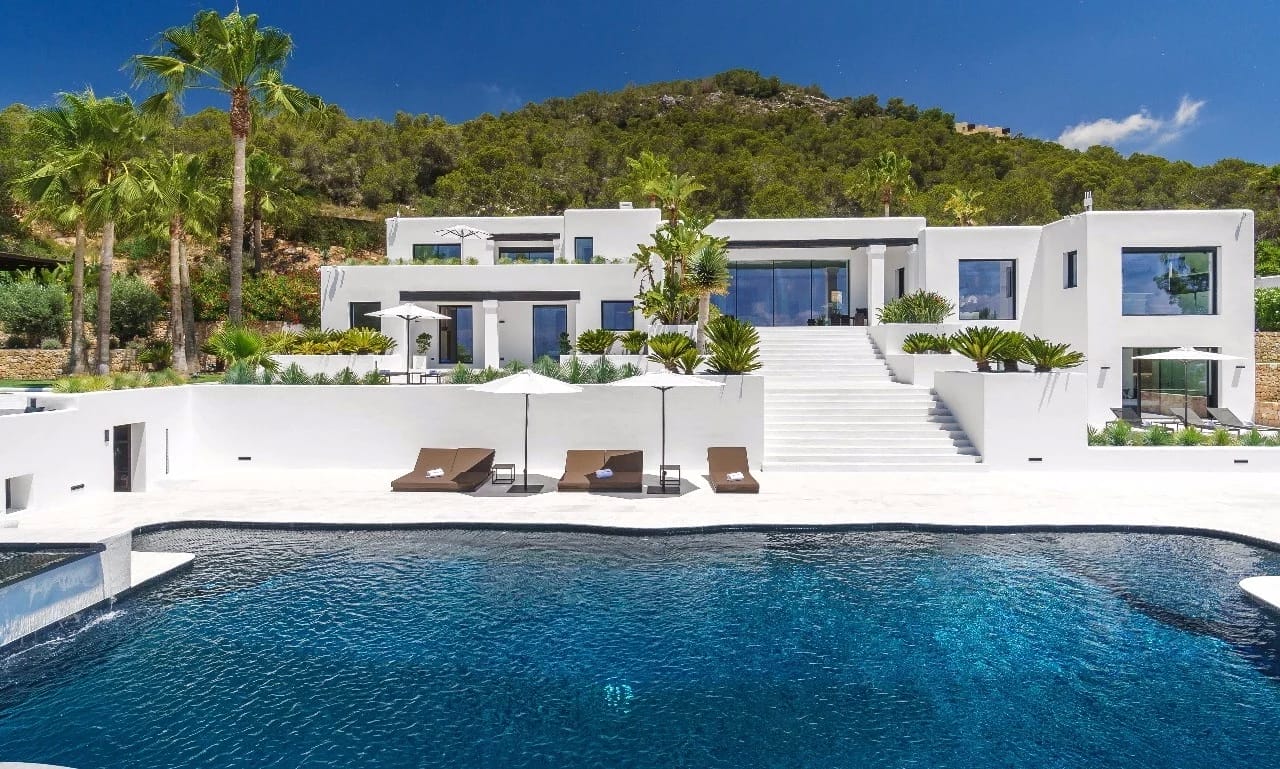
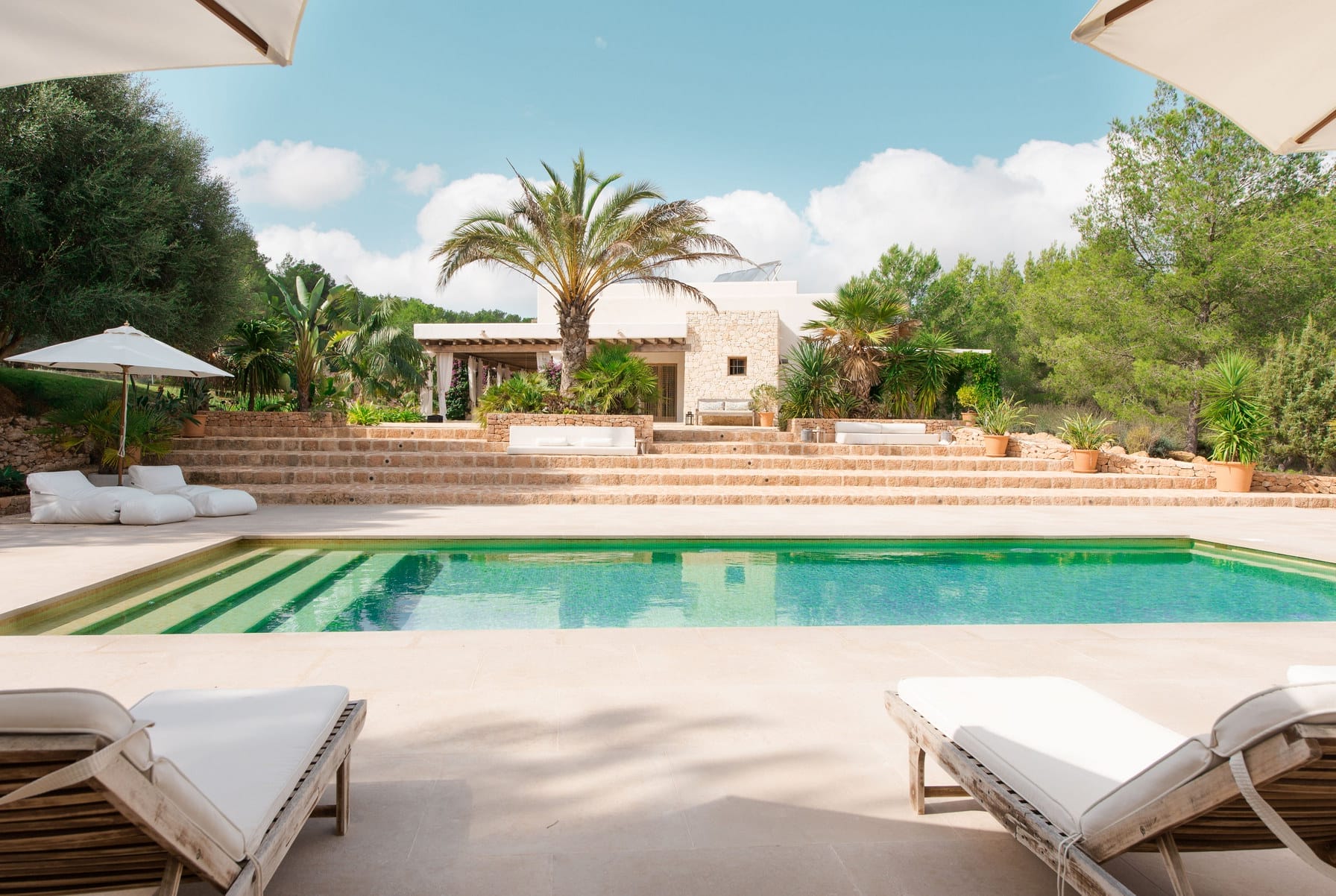
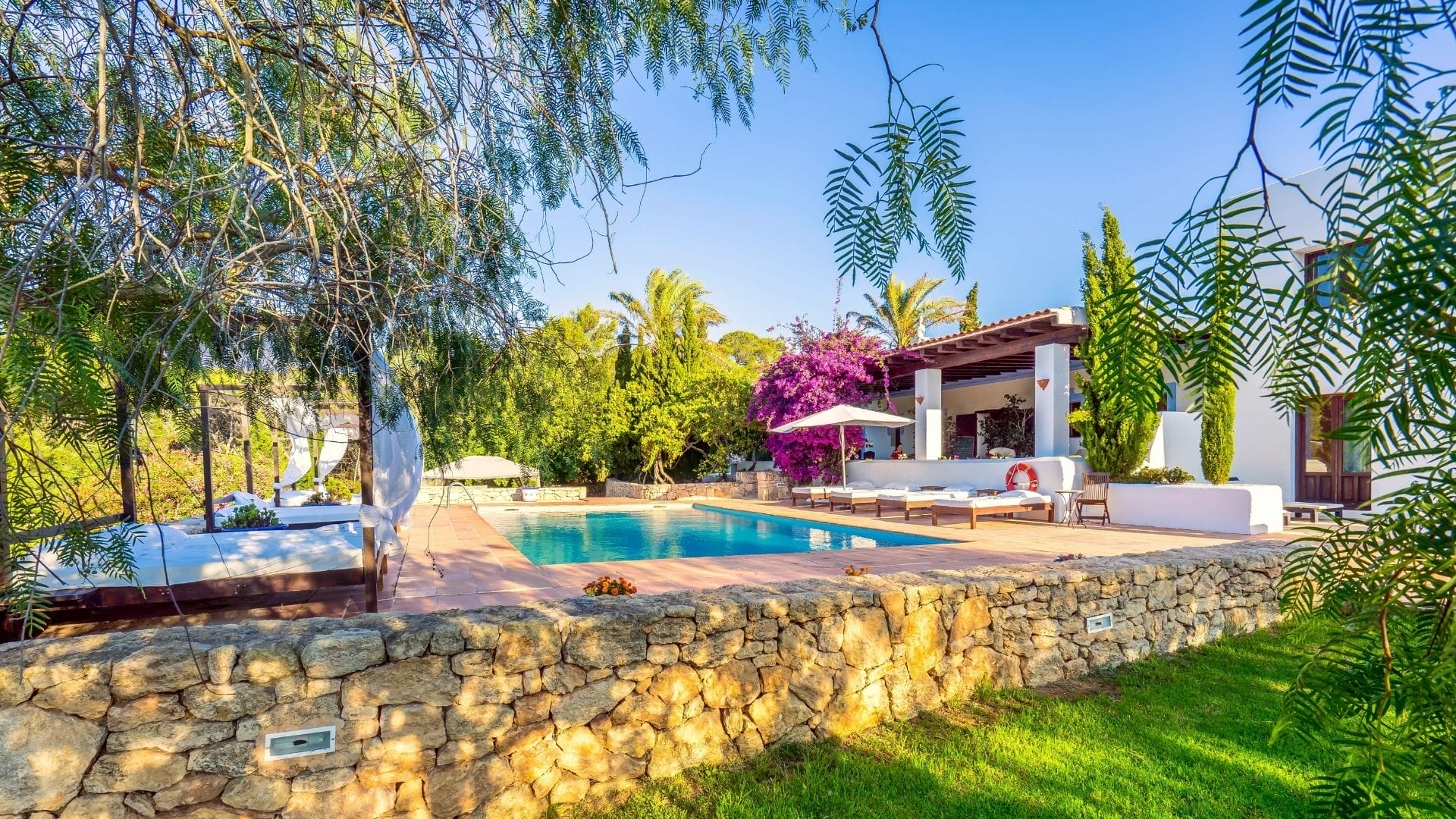
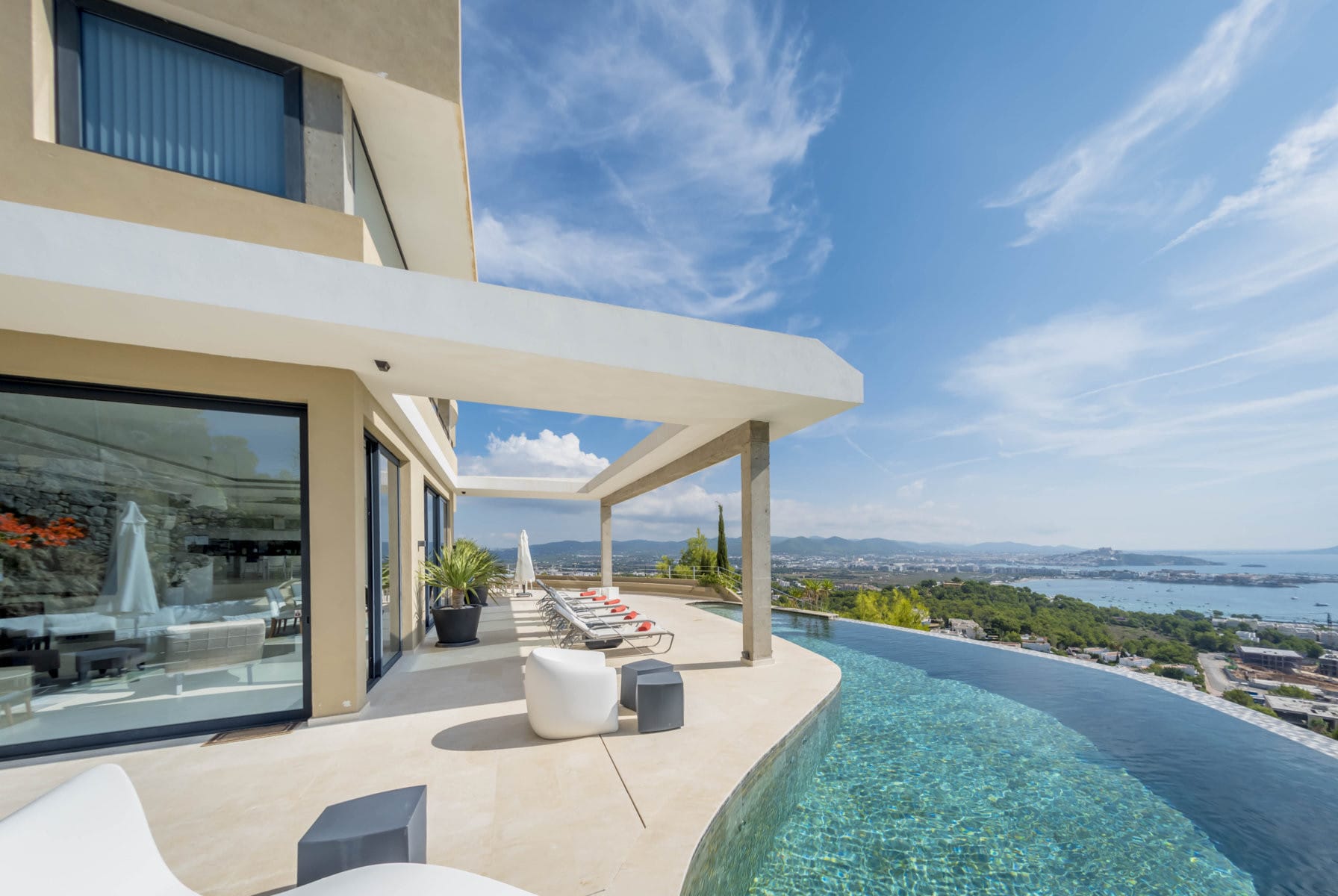
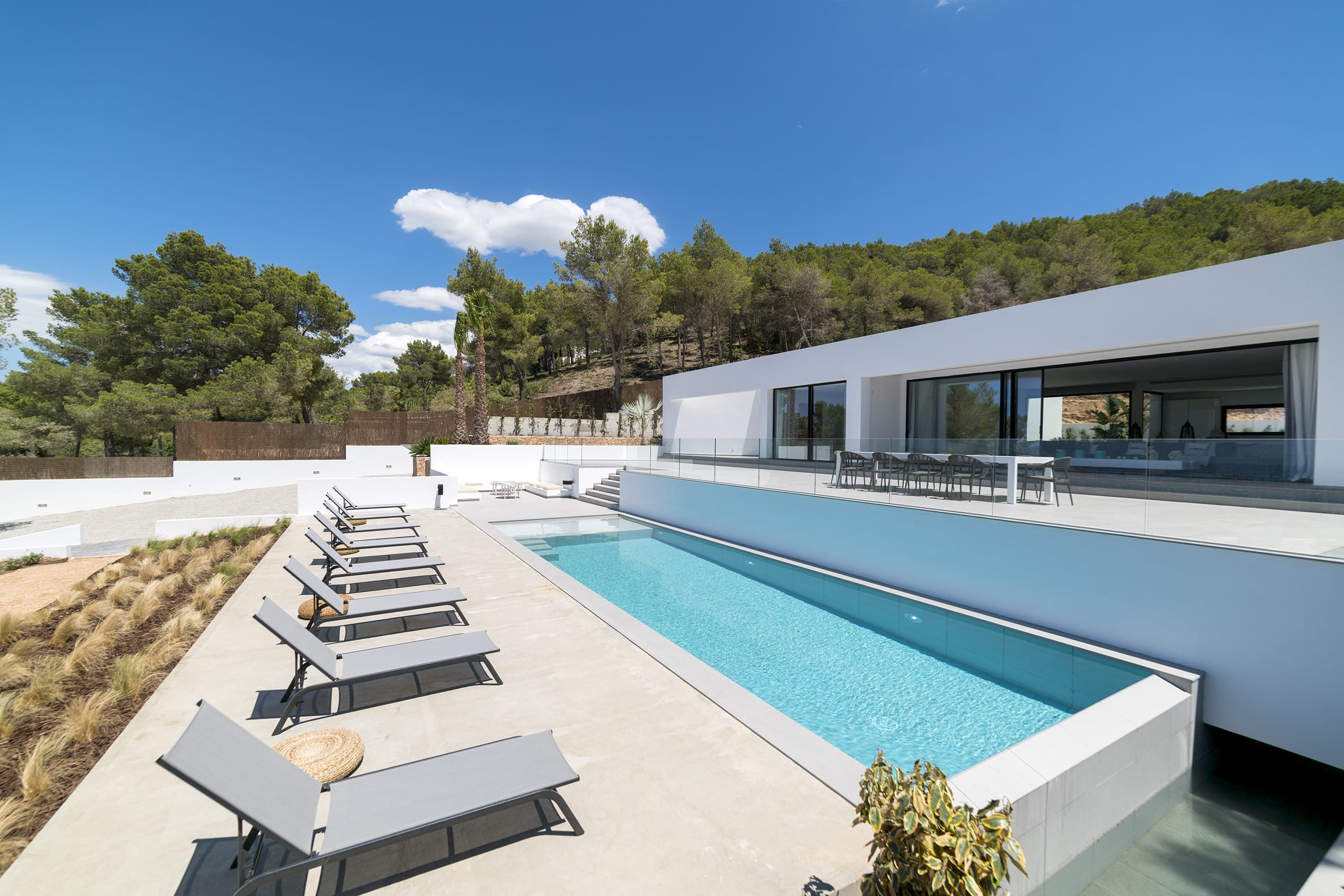
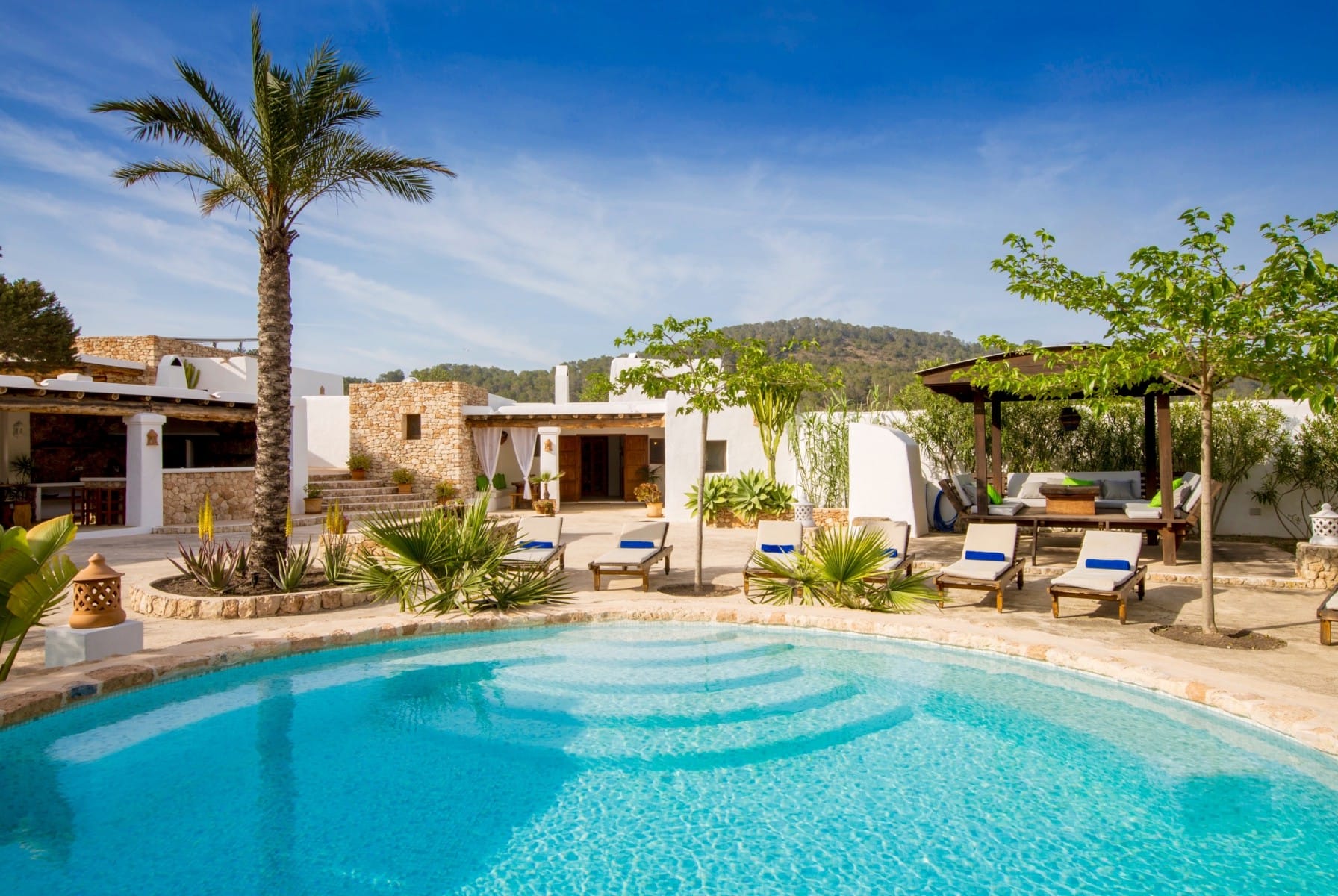
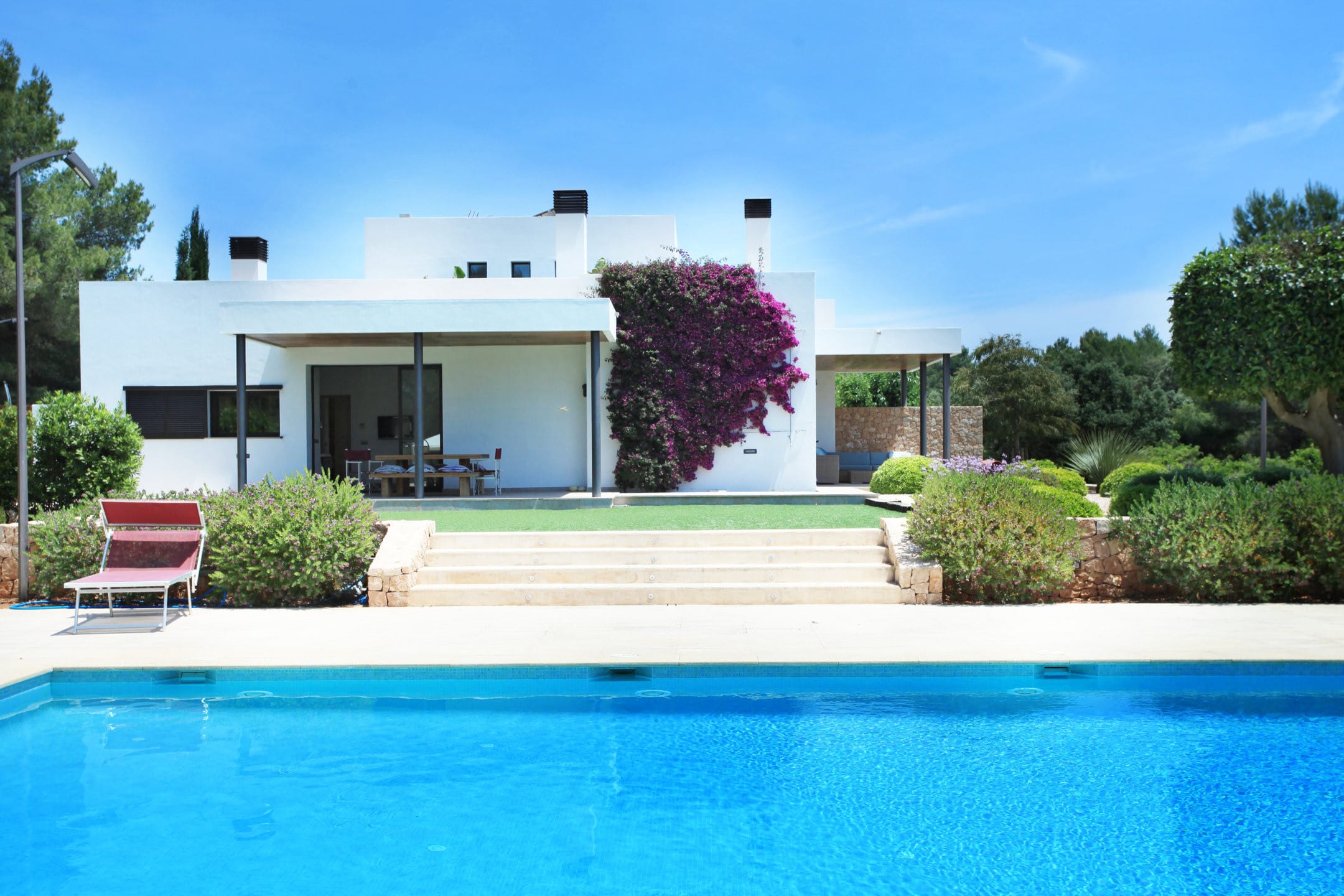
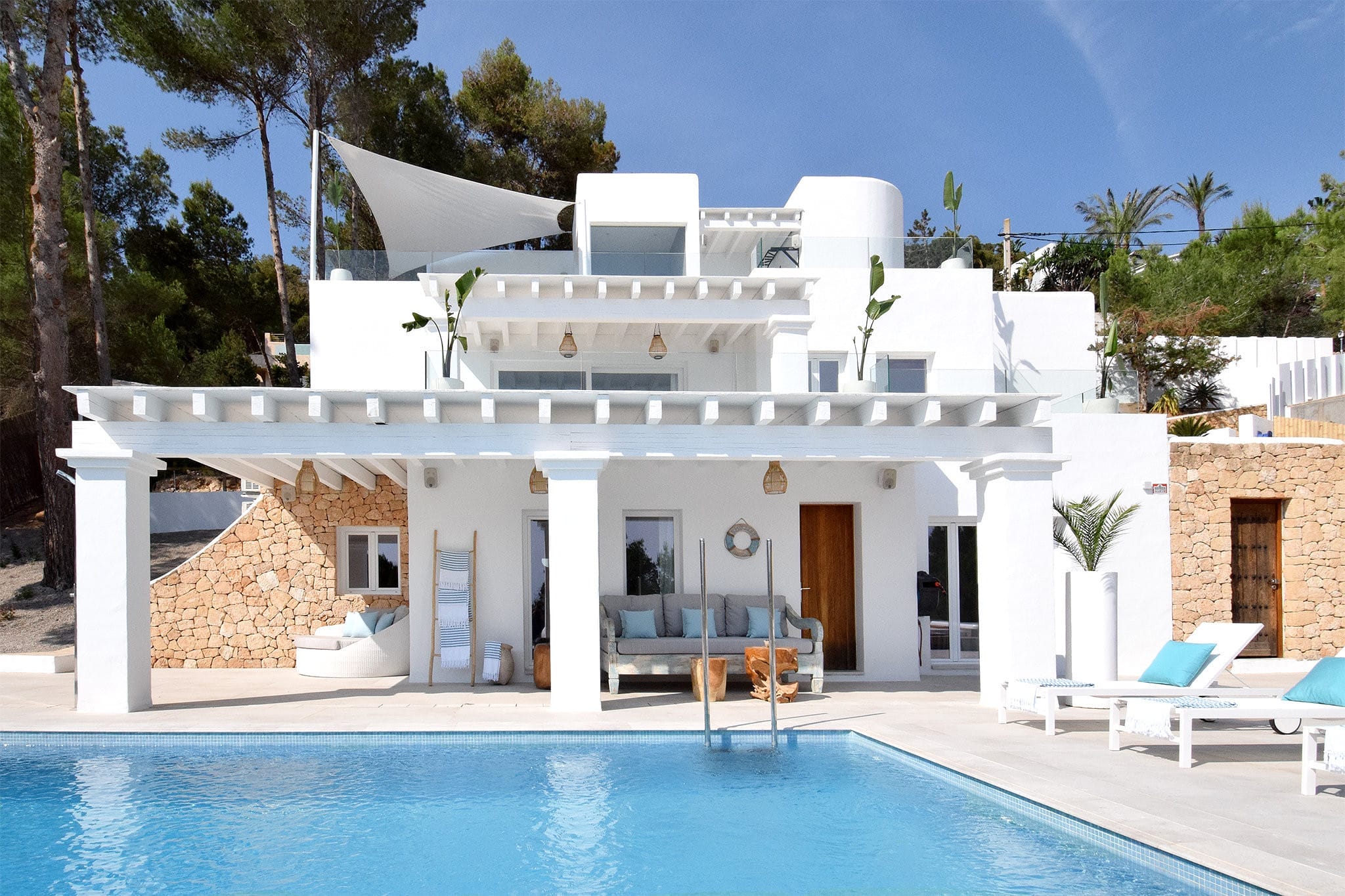
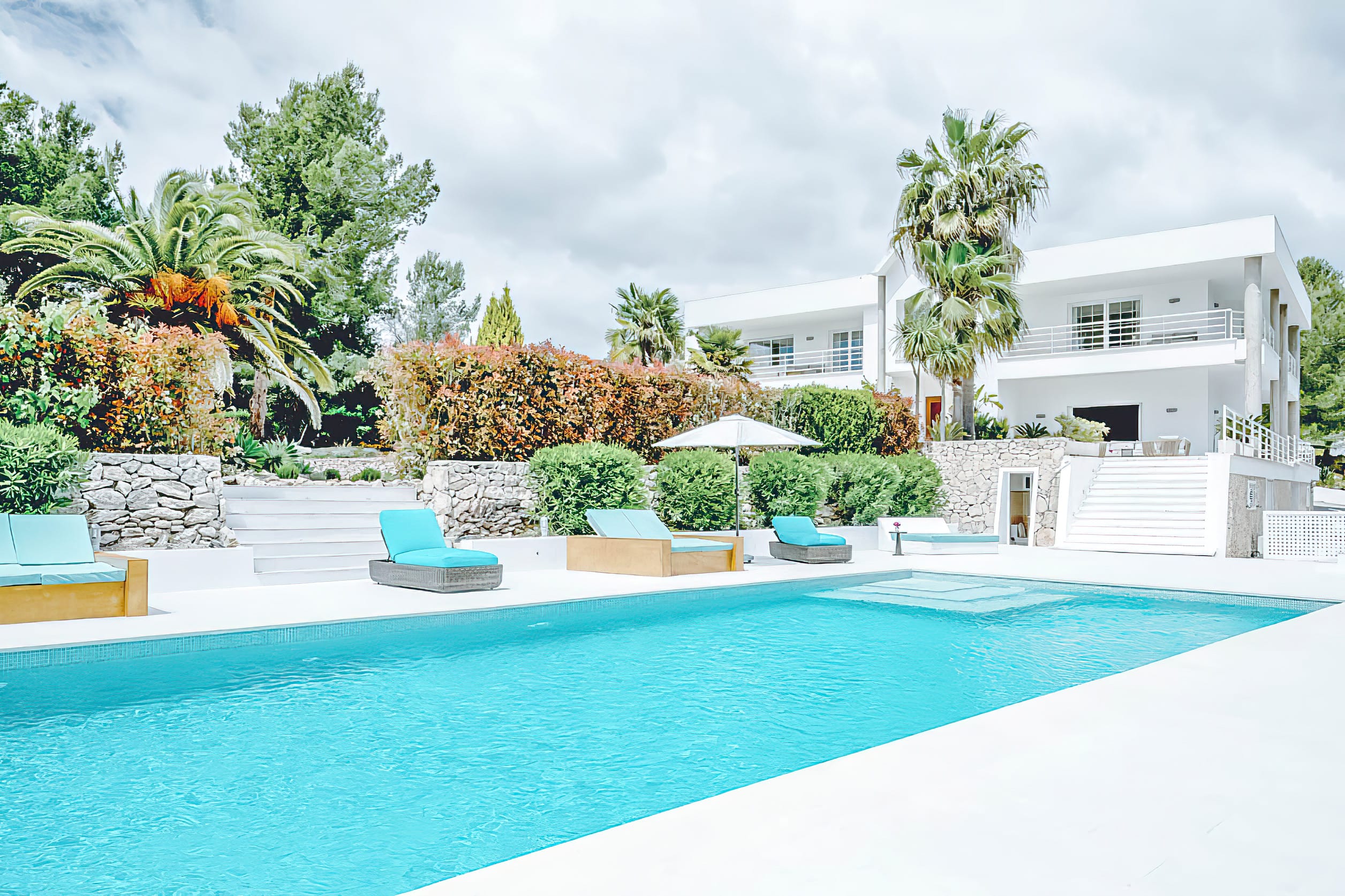
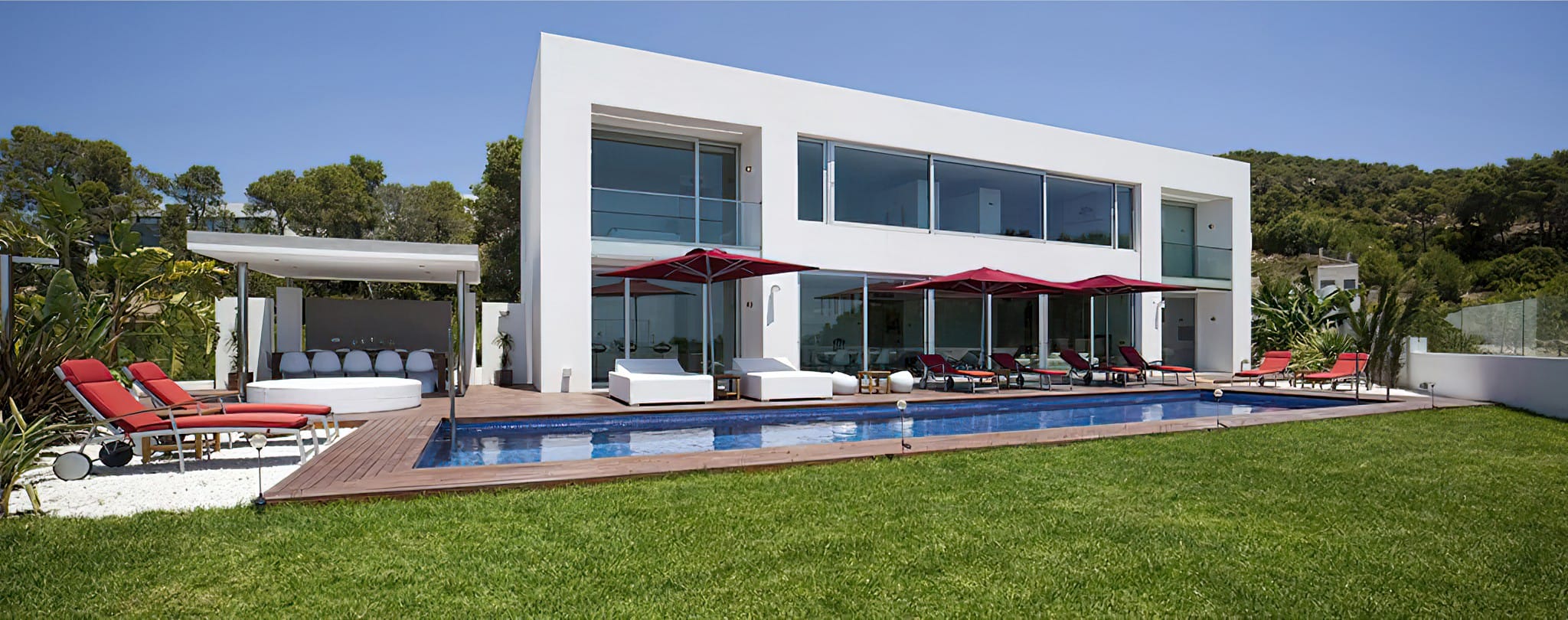
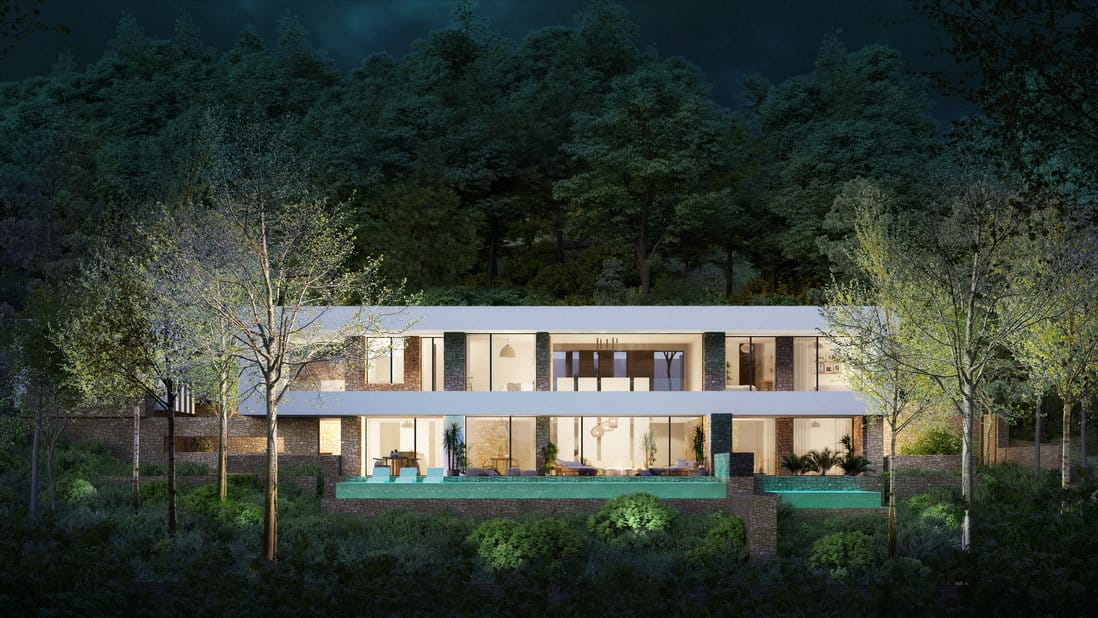
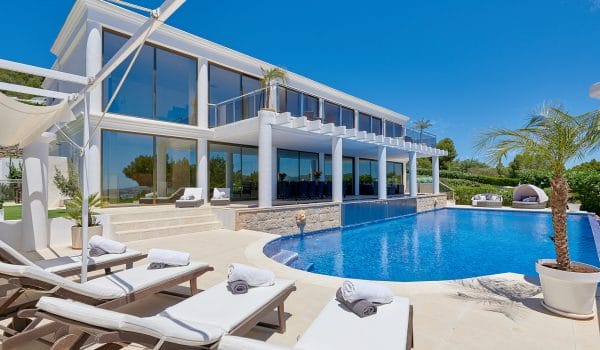
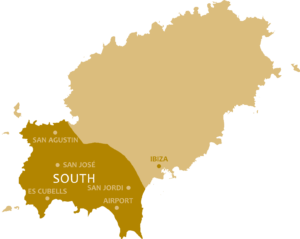
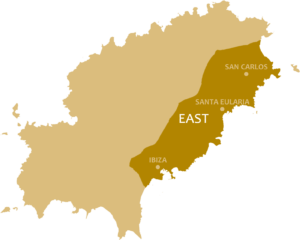
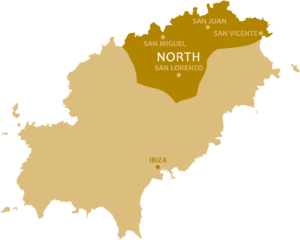
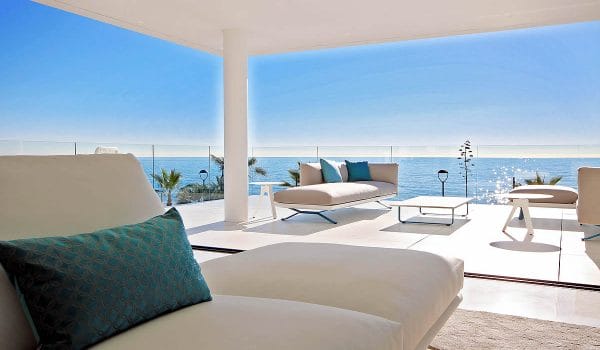
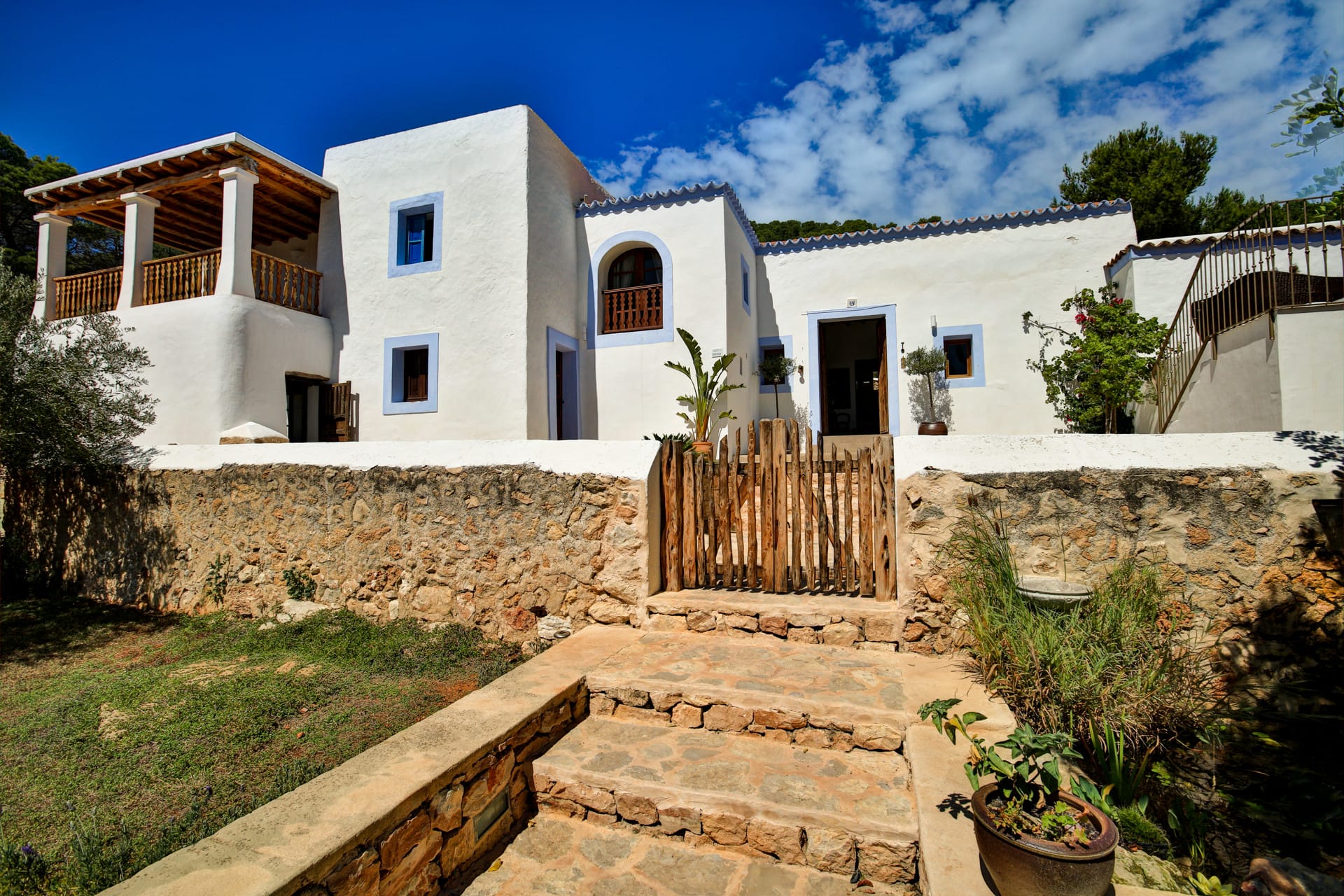
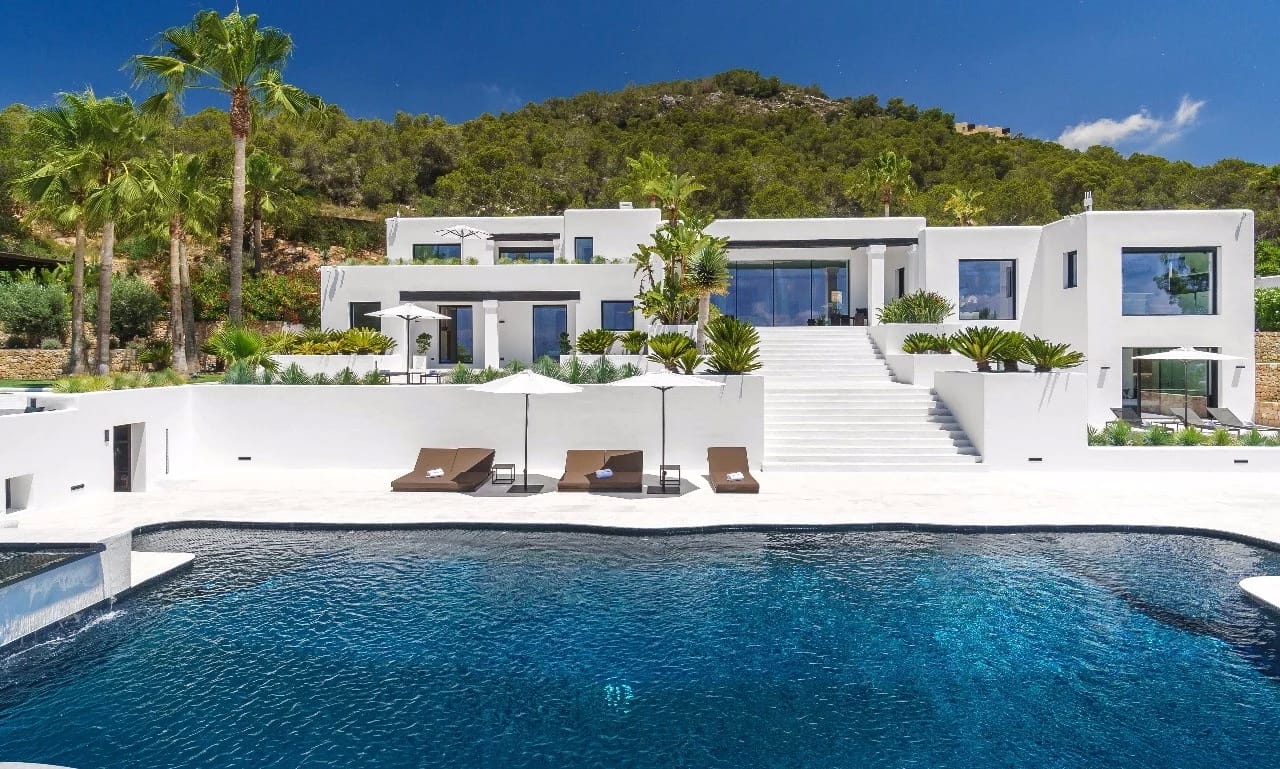
If you want to buy, be prepared for significant amounts. The island’s real estate market is among the most competitive in all of Spain: prices per square meter for a residential property start at around 3,500 to 5,000 euros in more peripheral areas like Sant Antoni or Santa Eulària, and easily exceed 10,000 to 20,000 euros for properties in the southwest, with sea views, or in the most sought-after zones like Talamanca, Cap Martinet, or the hills above Ibiza Town. A villa with a pool and privacy rarely comes in under two million euros.
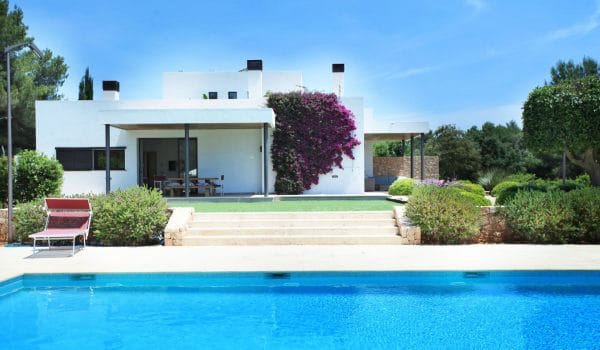
If you want to rent to live there year-round — and this is the most common choice for those moving for the first time — the long-term rental market is tight and increasingly difficult. An apartment with one or two bedrooms off-season costs between 1,200 and 2,000 euros per month. A detached house with outdoor space can easily reach 2,500 to 4,000 euros per month. During the summer months, many owners switch to tourist lets at far higher prices, which drastically reduces supply for those seeking annual contracts.
The practical advice: move between October and December, when landlords are more willing to negotiate and the supply is at its most open.
Daily shopping
The supermarket in Ibiza costs on average 15 to 25% more than on the Spanish mainland. Fresh produce, meat, fish — all of it arrives by ferry or plane, and the transportation costs are passed on. That said, Ibiza is better served than many islands: there are large supermarkets in Ibiza Town, Sant Antoni, and Santa Eulària, and a number of local markets worth knowing.
A weekly grocery bill for a person who cooks at home sits around 80 to 130 euros. A couple can expect to spend between 160 and 240 euros a week on groceries without any particular excess.
Eating out is another story. Ibiza’s restaurant scene ranges from relaxed neighbourhood spots to some of the most expensive dining in the Mediterranean. A meal at a beach club can run 60 to 100 euros per person without much effort. A dinner at a mid-range restaurant typically costs between 30 and 60 euros per person. More affordable options exist — local bars, market stalls, neighbourhood pizzerias — but treating Ibiza like a budget destination would be a mistake.
Transportation: an island best navigated with a vehicle
Unlike smaller islands, Ibiza genuinely requires a car or motorbike for comfortable year-round living. Distances between the main towns are manageable, but public transport — while present — is irregular outside of summer and does not connect many residential areas effectively.
A second-hand car in good condition can be found from 5,000 to 10,000 euros. A 125cc scooter costs between 1,500 and 3,500 euros. Fuel prices are in line with mainland Spain, though costs add up quickly if you’re commuting between municipalities regularly.
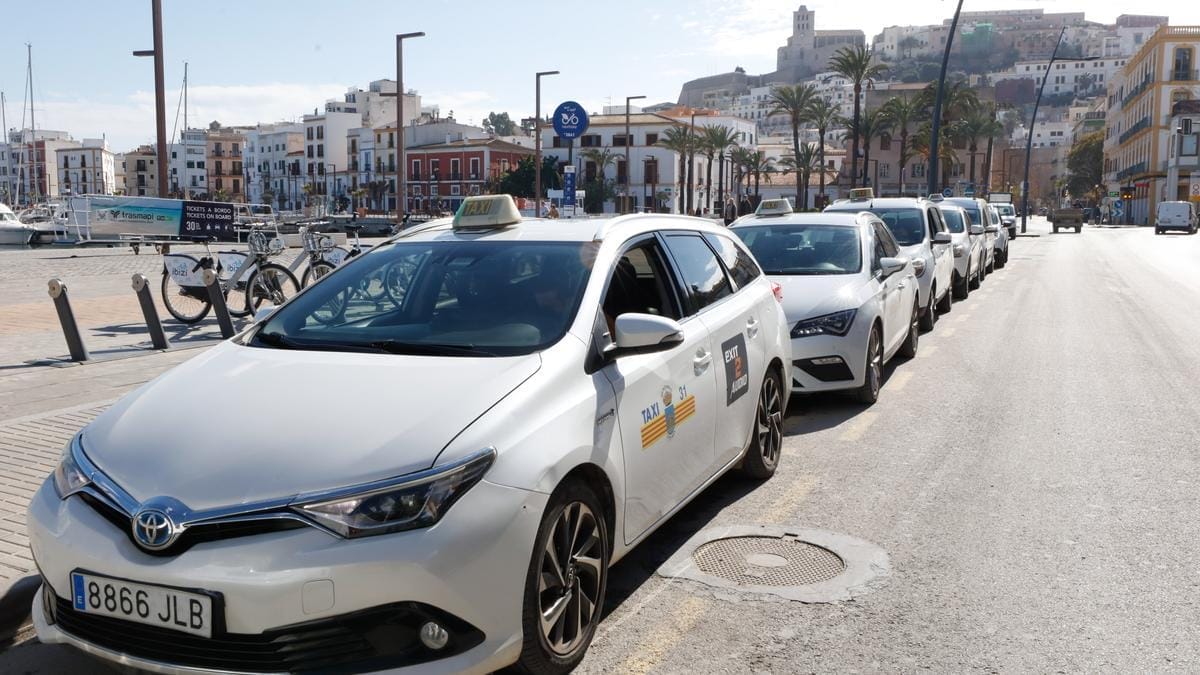
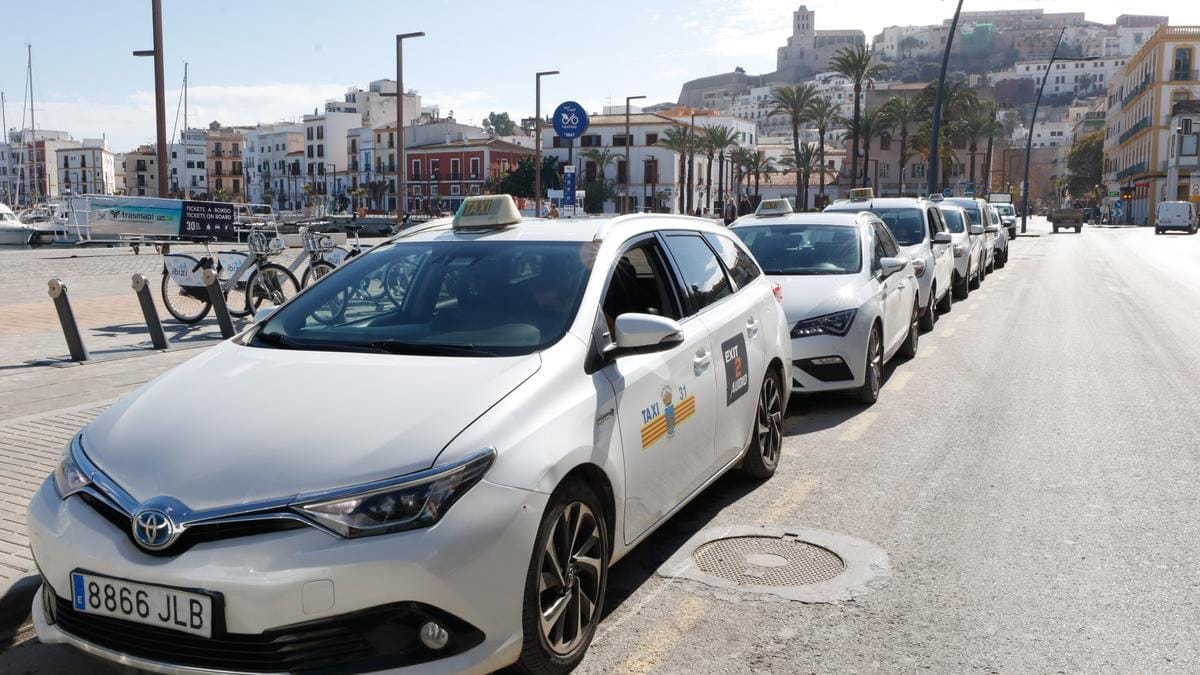
Taxis and rideshare options exist in Ibiza Town and Sant Antoni but are expensive and scarce in quieter months.
Those who need to leave the island deal with the Ibiza airport — one of Spain’s busiest in summer — with regular connections to Barcelona, Madrid, Valencia, and across Europe. Flights are affordable outside peak season but can be costly in July and August. The ferry connection to the mainland (Valencia, Barcelona) is an alternative for those travelling with vehicles or on a tighter budget.
Utilities and services
Bills in Ibiza are broadly in line with — or slightly above — the Spanish average. Electricity is a meaningful monthly cost: a medium-sized home can run between 120 and 280 euros per month, more if air conditioning is used heavily in summer. Many residents with rural properties are investing in solar panels, which significantly reduces costs over time.
The cost of water in Spain is typical for the country. The island has a desalination plant and a mixed water supply system, and consumption awareness is high among long-term residents.
Internet connectivity has improved considerably in recent years. Fibre optic is available throughout most of the island, including many rural areas. A fixed connection with reliable speed costs between 40 and 55 euros per month — perfectly adequate for remote work.
Healthcare and public services
Ibiza is well-served for a Mediterranean island. The Can Misses Hospital in Ibiza Town provides emergency care, surgery, and specialist services. There are also health centres in Sant Antoni, Santa Eulària, and Sant Joan. For highly complex procedures, the reference point remains the hospitals in Valencia or Barcelona, accessible by flight.
For residents with an NIE and registration in the municipal census, access to the Spanish public healthcare system is free — a significant advantage for those choosing to move permanently.
Private health insurance appeals to expatriates, offering quicker treatment and more extensive coverage. Monthly premiums typically fall between 60 and 150 euros. The precise amount depends on factors like the person’s age and the particular plan they choose.
Public schools are found and functioning throughout the island. Teaching takes place primarily in Catalan and Spanish — an important factor for families with children to weigh up before making the move.
A realistic monthly budget
Making an accurate estimate is difficult because it depends heavily on lifestyle and neighbourhood. As a rough guide, here is what to expect for a single person living on the island year-round in a balanced way — neither Spartan nor extravagant:
Rent for a decent apartment
1,200 to 1,800 euros
Food expenses
300 to 400 euros
Restaurant and social life
250 euros per month
Utilities
150 to 250 euros
Transport (car or scooter costs, fuel)
150 to 200 euros
Miscellaneous and unforeseen expenses
150 to 250 euros
The total amounts to roughly 2,000 to 3,000 euros per month for one person, excluding mortgage payments or significant healthcare costs.
A couple with two incomes, well-organised and with their own home, can live comfortably on a combined monthly income of 3,500 to 5,000 euros.
Is it worth it?
This is the wrong question. Or rather: it depends entirely on what you’re looking for.
If you are searching for an affordable place to live, Ibiza is not for you. There are places in Spain — and in Europe — where the same budget guarantees much more in terms of services, space, and comfort.
If, on the other hand, you seek something harder to quantify — beauty on an almost unreasonable scale, a cosmopolitan yet genuinely close-knit community, a pace that shifts with the seasons, the sea never more than fifteen minutes away — then the balance is restored.
The bottom line
Ibiza is not expensive. It is selective. And those who choose it consciously — eyes open, budget planned — rarely want to leave.
Are you considering moving to Ibiza or looking for a property to live in year-round? Contact us: we know the island in every detail and can help you find the right solution for your life project.